
Holding space for someone else was never supposed to mean losing your own footing.
870 words · ~4 min read
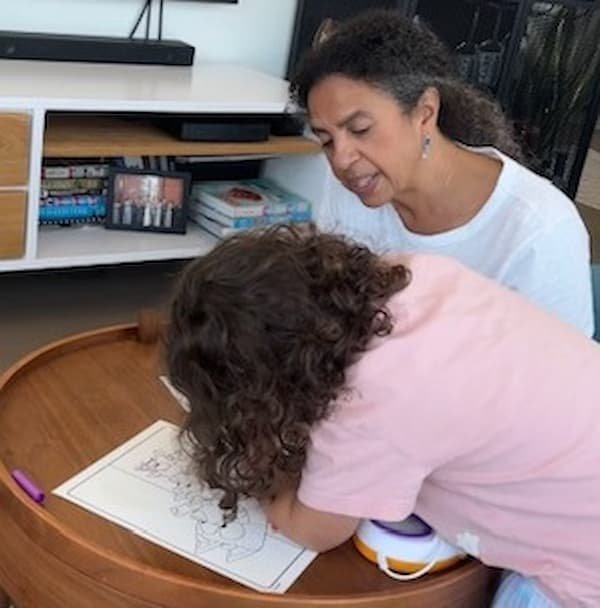
My granddaughter is deep in toddler bootcamp right now: sharing, patience, taking turns instead of interrupting. Watching her parents work through it with her, I was reminded of something I’d half forgotten — this is some of the hardest stuff humans ever learn, and most of us are still setting boundaries at work decades after we’ve mastered full sentences.
Toddlers run on their own creed: what’s mine is mine, and what’s yours is also mine. There’s no empathy in it yet, just immediate need. Interrupting isn’t rude to a toddler — it’s the only tool they have. Most of us grow out of demanding attention like a two-year-old. Somewhere along the way we’re taught: if you have something to say, raise your hand and wait your turn.
Except some people never fully absorb that lesson. I led plenty of professionals over 25 years in the travel industry — a business that moves fast, with client emergencies, disrupted trips, and understaffed desks — and I can tell you the interrupters are a small percentage of the people you’ll ever work with. But even one stands out from the crowd. And what I learned leading those teams wasn’t how to fix that in someone else. It was how to hold my own boundary instead. Always with the hope they would catch on – just no guarantees.
Empathy and Boundaries Aren’t Opposites
Here’s the tension we may resist: if I set a boundary, am I still being a supportive, empathetic leader? It can feel like a contradiction — like choosing between being kind and being firm.
It isn’t. Holding space for someone’s urgency and protecting your own priorities can happen at the same time. Acknowledging someone doesn’t require dropping everything for them. “I hear you, and I’ll come back to this” is both true and kind — it just isn’t instant. The boundary isn’t the opposite of empathy. It’s what makes empathy sustainable enough to keep offering.
What This Looks Like in Practice
I see this most often in coaching with leaders who may over-accommodate for whoever is loudest in the room — the client who calls at 6 p.m. expecting an answer, the colleague who walks into your office mid-task assuming their question outranks whatever you’re doing. Without a boundary, “urgent” starts to mean “whoever asked most recently,” and your own priorities quietly move to the bottom of the list every single day.
There’s real developmental logic behind why this pattern starts so early and runs so deep. Pushing, grabbing, and boundary-testing tend to peak in the toddler years and fade as kids learn to negotiate, share, and use their words instead — usually with steady, calm correction from the adults around them. The ones who don’t get that correction early often carry the habit well into adulthood. In other words: the skill of respecting someone else’s boundary, and the skill of holding your own, are both learned — and both need practice to stick, whether you’re two or fifty-two.
4 Ways to Hold a Boundary Without Losing the Relationship
- Acknowledge before you address. A simple “I hear you, and I’ll come back to this” meets the urgency without requiring you to drop everything. People calm down faster when they feel heard, not fixed.
- Decide your own order of operations. Someone else’s timeline isn’t automatically yours. Before you react to what feels urgent, ask: is this actually the next right thing, or just the most recent thing?
- Say it once, calmly, and stop over-explaining. A boundary restated five different ways starts to sound like a negotiation. State it plainly, once, and let it stand.
- Expect discomfort — yours and theirs — and let it pass. The first few times you hold a boundary, it will feel unnatural, and the other person may push back. That discomfort isn’t a sign you did it wrong. It’s a sign you did it.
Reflections
Where this week did someone else’s urgency override your own priorities, without you ever deciding it should?
What would it look like to acknowledge someone’s need without immediately fixing it?
What’s one boundary you’ve been meaning to set but keep pushing to “later”?
Closing: Holding the Line, With a Smile
My granddaughter will spend the next few years learning what a boundary is. I’m still practicing what to do with mine — deciding what gets my attention first, and holding that line without guilt or a lengthy explanation. Leading fast-moving teams taught me I couldn’t retrain another adult’s toddler-era habits. What I could always control was my own.
Holding space has edges. Finding yours is still a work in progress — mine included.
If setting boundaries at work is the piece you keep circling back to, that’s exactly the kind of work we build together in coaching. Book a call to talk through what your own edges look like.
Until next time, Michele Delgado, Founder Hartmetrics
Keep Exploring: